
Key Takeaways: Ear Drops, Sprays and Treatment Solutions for Ear Care Clinics
| Topic | Key Point |
|---|---|
| Most common causes of itchy ears | Eczema, otomycosis, bacterial infection, allergic reaction, dry skin, and hearing aid irritation |
| First-line assessment | Otoscopic examination is essential before recommending any topical preparation |
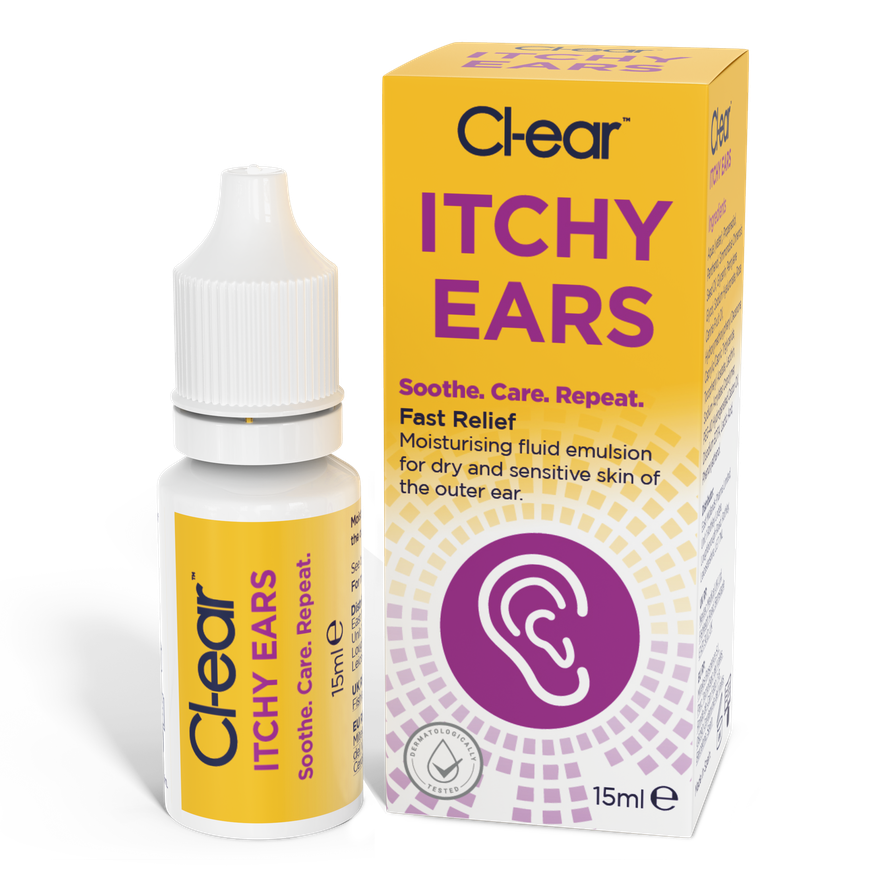
| Hero product for itch | Cl-ear Itchy Ears combines jojoba oil, sodium hyaluronate, and pro-vitamin B5 to hydrate and restore the ear canal skin barrier |
| Wax softening options | Earol Olive Oil, Earol Almond Oil, Cl-ear Olive Oil Spray, and Cl-ear Express all soften cerumen prior to removal |
| Post-procedure care | Earol Aftercare Spray soothes and hydrates the canal skin following microsuction or irrigation using sweet almond oil and alkane |
| Swimmer's ear prevention and early intervention | Earol Swim with Tea Tree Oil removes trapped water before infection takes hold; Otinova is the ideal early-intervention partner if itching begins |
| Infection and inflammation | Otinova (Burow's solution, pH 3-4) has proven antibacterial, antifungal, astringent, and itch-relieving properties - appropriate for mild to moderate otitis externa without prescription |
| Hearing aid wearers | Odinell's non-oily format makes it the preferred maintenance option for regular hearing aid users - no residue, no risk to device components |
| Not every problem is wax | Otitis media and Eustachian tube dysfunction require different solutions - Otovent is a useful add-on for eligible patients |
| Commercial case for stocking solutions | The ear professional offering treatment products improves patient outcomes and adds meaningful clinic revenue |
| Critical safety point | Confirm tympanic membrane integrity before instilling any drops - many preparations are contraindicated with perforation |
Ear Drops and Treatment Sprays for Ear Care Clinics: A Clinical and Commercial Guide
Itchy ears are one of the most common presenting complaints in ear care practice. They are also one of the most frustrating for the patient and, occasionally, for the clinician.
The condition sits at a crossroads of dermatology, otology, and patient behaviour. Getting to the correct diagnosis and the correct product requires a systematic approach. This guide covers the clinical assessment process, the differential diagnosis, the full range of ear treatment sprays available through The Hearing Lab Store, and, just as importantly, the commercial case for ensuring your clinic can always offer a solution, not just a referral.
The Clinical Case for Stocking Treatment Solutions
Patients who attend an ear care clinic do so because they regard the clinician as the ear specialist. They are not arriving with the expectation of being told that their problem falls outside the scope of the appointment and that they should see their GP instead.
That is sometimes the correct clinical outcome and there are clear circumstances in which referral is not just appropriate but essential. However, in a significant proportion of cases, the clinician who has completed a thorough examination is actually better placed than a GP to identify the likely cause of the patient's symptoms and recommend a suitable product to address it.
Sending a patient away empty-handed when a clinically appropriate, over-the-counter treatment exists is a missed opportunity on two levels. The patient leaves no better off than when they arrived, and the clinic loses an add-on sale that would have required almost no additional appointment time.
A well-stocked treatment range changes this dynamic entirely. The consultation concludes with a solution. The patient leaves with a product, a clear treatment plan, and a measurably better experience. In many cases, they will not need to trouble their GP at all. In cases where GP follow-up is still warranted, they leave with interim relief rather than nothing.
This is not about upselling. It is about doing the job properly. The ear professional who can say "I have examined your ears, the problem is X, and here is what we recommend" is delivering a genuinely superior service to the one who simply confirms the absence of wax and asks the patient to make another appointment somewhere else.
Understanding the Causes of Ear Itching
Before recommending any topical treatment, it is worth understanding the range of conditions that produce itching in the ear canal. Itching is a symptom, not a diagnosis.
Dermatitis and Eczema
Atopic or contact dermatitis is the single most common cause of chronic ear itching in adults. The skin of the ear canal is thin, lacks sebaceous glands in its deeper portion, and is vulnerable to both endogenous inflammatory conditions and topical irritants. Patients with generalised eczema will frequently report ear involvement as an early or prominent symptom.
Contact dermatitis in the ear is often overlooked. Hair products, hearing aid materials, earphone rubber tips, and even certain topical medications can act as sensitising agents. Nickel from earrings is a classic trigger for the pinna and concha, but the irritant can migrate into the canal via the patient's own fingers.
Otomycosis (Fungal Infection)
Fungal infection of the ear canal, otomycosis, is more prevalent than many clinicians appreciate. Candida albicans and Aspergillus species are the most frequently isolated organisms. Patients often describe a deep, intense itch that is qualitatively different from the surface irritation of dry skin. There may be white or grey debris visible on otoscopy, sometimes with a characteristic cotton-wool appearance in Aspergillus cases.
Otomycosis is more common in warmer climates, following swimming, after prolonged antibiotic or steroid drop use, and in immunocompromised patients. It is significantly underdiagnosed in primary care settings, where it is often treated empirically with antibacterial drops, which makes it worse.
Bacterial Otitis Externa
Acute diffuse otitis externa begins with an itch before progressing to pain, discharge, and canal oedema. The itch phase is the window in which appropriate treatment can prevent a minor nuisance from becoming a significant infection. Pseudomonas aeruginosa and Staphylococcus aureus are the most commonly implicated organisms.
Allergic Reactions
Topical preparations themselves are a common cause of allergic contact dermatitis in the ear. Neomycin, a component of several ear drops, has a sensitisation rate of up to 13% in patch-tested populations. Patients presenting with worsening symptoms after starting a topical antibiotic course should be evaluated for contact allergy rather than automatically escalated to a stronger preparation.
Dry Skin and Overwashing
Excessive ear cleaning is a clinical epidemic. Patients continue to believe that cotton swabs are appropriate for ear hygiene despite consistent guidance to the contrary. Repeated mechanical trauma disrupts the migrating epithelial layer of the canal, removes the protective ceruminous secretions, and leaves the skin dry, fissured, and intensely itchy.
This is also directly relevant in post-wax-removal care. After microsuction, the canal is clean but the ceruminous lipid film has been reduced. A light emollient preparation in the days following treatment can prevent the itch-scratch cycle that brings patients back prematurely for repeat procedures and, incidentally, generates a retail sale at the point of checkout.
Hearing Aid Irritation
Custom and receiver-in-canal hearing aids introduce a foreign body into a sensitive anatomical space. Even well-fitted devices generate micro-trauma through movement during speech and chewing. Perspiration accumulates under occluding moulds. Silicone, acrylic, and nylon materials can all act as sensitising agents in susceptible individuals.
Hearing aid-related itch is one of the most underreported causes of device rejection. Patients often discontinue use without mentioning the discomfort, attributing it to poor fit rather than a manageable skin reaction. A brief question about ear comfort during every hearing aid review could identify these patients and retain their loyalty.
When the Problem is Not the Canal: Otitis Media and Eustachian Tube Dysfunction
Not every patient presenting with ear discomfort, pressure, or a blocked sensation has a wax problem. Otitis media with effusion, commonly known as glue ear, and Eustachian tube dysfunction produce a distinctive sensation of fullness, muffled hearing, and sometimes a low-grade itch or pressure behind the tympanic membrane that patients struggle to describe precisely.
When otoscopy reveals a dull, retracted, or amber-tinged tympanic membrane in the absence of canal pathology, the clinician who can only offer earwax removal has reached the limit of their product range. The clinician who stocks Otovent has not.
Otovent is a nasal balloon device designed to inflate the Eustachian tube and equalise middle ear pressure. It is clinically validated, NICE-referenced for glue ear management in children, and widely used by ENT departments as a first-line conservative treatment. It requires no prescription, is safe for adults and children over three years, and can be demonstrated to the patient in under two minutes.
For the clinic, it represents a practical solution to what would otherwise be an unsatisfying consultation outcome. The patient has been examined, a likely diagnosis has been offered, a safe and appropriate treatment has been recommended, and a referral letter, if still needed, has been written with the benefit of a proper examination finding. Everyone is better served.
Clinical Assessment: What to Examine Before Recommending Drops
No clinician should recommend a topical ear preparation without first examining the ear. This is not a counsel of perfection - it is a patient safety requirement.
Otoscopic Examination Essentials
A video otoscope significantly improves diagnostic accuracy over a standard otoscope, particularly when assessing the lateral wall of the canal and the appearance of the tympanic membrane. The Firefly range of video otoscopes is well suited to this purpose in both clinic and domiciliary settings, and being able to show the patient their own ear on a screen during the consultation adds considerable perceived value to the appointment.
During examination, note the colour and texture of the canal skin, the presence and nature of any debris, the condition of the tympanic membrane, and whether there is any oedema, fissuring, or exudate. Each finding directs you toward a different treatment pathway.
Red Flags Requiring Medical Referral
Some presentations must be referred without attempting topical treatment. These include:
- Suspected or confirmed tympanic membrane perforation
- Cholesteatoma or granulation tissue
- Signs consistent with malignant (necrotising) otitis externa - particularly in diabetic or immunocompromised patients
- Significant pinna involvement suggesting systemic skin disease such as psoriasis
- Failure to respond to two appropriate treatment courses
Referral and a product recommendation are not mutually exclusive. A patient can be referred to their GP and sent home with an appropriate emollient, anti-inflammatory, or Eustachian tube treatment in the meantime. The referral addresses the diagnostic uncertainty; the product addresses the immediate symptom.
Patient History Considerations
Ask about cleaning habits, swimming frequency, hearing aid use, current medications, known allergies, and any history of atopic conditions. Document your findings carefully. Our free consent and clinical assessment forms can support your documentation process if you are operating as an independent ear care practitioner.
The Full Treatment Spray Range: What to Stock and When to Use It
The Hearing Lab Store supplies a comprehensive range of ear treatment sprays to hearing centres, NHS departments, earwax removal clinics, and GP surgeries across the UK. Here is a clinical overview of each product and the situations in which it is most appropriately recommended.
Cl-ear Itchy Ears: The Clinical Detail
Cl-ear Itchy Ears warrants particular attention because there is currently no other product in the UK ear care market specifically formulated for ear canal skin health in the way this preparation is. Most emollients recommended for ear itch are general-purpose oils repurposed from wax softening. Cl-ear Itchy Ears is purpose-built.
The formulation addresses three distinct mechanisms: deep moisturisation of the stratum corneum, restoration of the skin's barrier function, and active reduction of inflammatory redness. It does all three simultaneously, which is clinically useful in conditions - such as atopic eczema or hearing aid-related dermatitis - where all three processes are simultaneously compromised.
The ingredients and their individual functions are as follows:
- Jojoba Oil (Simmondsia Chinensis Seed Oil) - A liquid wax ester with a molecular structure closely resembling the skin's natural sebum. It is absorbed rapidly without leaving a residue, making it particularly suitable for use in the ear canal where occlusion is a concern.
- Pro-Vitamin B5 (Dexpanthenol) - Converts to pantothenic acid in the skin, where it plays a direct role in wound healing and barrier repair. Widely used in dermatological preparations, it has an excellent safety profile across all skin types.
- Rose Hip Oil (Rosa Canina Fruit Oil) - Rich in linoleic and linolenic fatty acids, which are essential components of the epidermal lipid barrier. Deficiency of these fatty acids is a recognised feature of atopic dermatitis.
- Vitamin E (Tocopheryl Acetate) - A fat-soluble antioxidant that protects skin cell membranes from oxidative damage and supports the skin's natural repair processes.
- Sodium Hyaluronate - The sodium salt form of hyaluronic acid. It draws water into the superficial skin layers and retains it there, producing a measurable increase in skin hydration with repeated use.
- SymDecanox (Hydroxymethoxyphenyl Decanone) - A scientifically validated ingredient that reduces skin redness and calms inflammatory signalling in stressed skin tissue.
The clinical evidence supporting Cl-ear Itchy Ears comes from a three-part study involving 20 volunteers aged 18 to 85 with sensitive skin. The findings are notable:
- 100% were satisfied with the overall outcome
- 100% found the application simple
- 100% found the texture of the product pleasant
- 100% agreed the product was absorbed quickly
- 95% agreed their skin felt less tight and softer
- 95% agreed the skin felt more hydrated
- 95% stated they would use the product again
Patient compliance with any topical ear preparation depends heavily on tolerability. A product that is unpleasant to instil, sticky in the canal, or has an off-putting smell will be abandoned within days. The texture and rapid absorption profile of Cl-ear Itchy Ears address these compliance barriers directly - and the clinical study data supports this.
Earol and Cl-ear Olive Oil Spray: Wax Softening, Aftercare, and Choosing Between Them
The Earol range has long been a staple of professional ear care practice in the UK. The spray-delivery mechanism delivers a consistent, metered dose without the mess associated with pipette-format oils - a practical advantage both for patients applying drops at home and for clinicians recommending a product they are confident patients will actually use correctly.
For a detailed clinical comparison of Earol Almond Oil and olive oil preparations, including recommendations for aftercare following earwax removal, see our article on Earol almond oil spray versus olive oil.
Earol Olive Oil Spray vs Cl-ear Olive Oil Spray: Which to Recommend?
Both products deliver olive oil to the ear canal in a convenient spray format, but there are meaningful differences worth understanding before making a clinical recommendation.
Cl-ear Olive Oil Spray uses a 100% natural olive oil formulation with no additional propellants or synthetic carrier agents. For patients who are particularly sensitive to chemical additives, or who specifically request a natural preparation, this is the more straightforward choice. The ingredient list is exactly what it says on the box.
Earol Olive Oil Spray incorporates alkanes alongside the olive oil. Alkanes are short-chain hydrocarbons used as propellants and carrier agents in many medical-grade topical preparations. They are generally well tolerated and considered safe for use in the ear canal. Their inclusion does, however, mean Earol Olive Oil is not a purely natural formulation, which is worth mentioning to patients who ask about ingredients. The practical trade-off is a meaningful one: Earol has a notably longer shelf life once opened compared to Cl-ear Olive Oil Spray, which is an important consideration for patients who use wax-softening drops infrequently - perhaps only in the weeks before an annual appointment.
In practice, for the regular wax-producing patient who softens their ears weekly, either product works well. For the occasional user, Earol's shelf stability gives it a practical edge. For the patient who wants the simplest, most natural formulation available, Cl-ear Olive Oil Spray is the cleaner option.
Earol Aftercare Spray
Earol Aftercare Spray deserves specific mention as a dedicated post-procedure product. Its formulation combines sweet almond oil with alkane - a pairing that delivers effective emollient coverage and canal skin hydration following microsuction or irrigation. Following a procedure, the canal's protective ceruminous lipid film is significantly reduced. Earol Aftercare replenishes that moisture barrier and soothes the canal skin during the recovery period. It does not contain tea tree oil and is not an antimicrobial preparation - its role is purely restorative, making it the appropriate choice when the objective is canal skin recovery rather than infection prevention. Recommending it as a standard part of your post-procedure discharge advice creates a natural retail moment at the end of every wax removal appointment.
Earol Swim with Tea Tree Oil
Earol Swim with Tea Tree Oil is a useful addition for the clinic that sees a sporting or active patient population. Water-related otitis externa is largely preventable with appropriate prophylaxis, and Earol Swim is specifically designed to displace retained water from the canal following swimming, while the tea tree oil component provides a degree of antimicrobial protection. For patients with a history of recurrent swimmer's ear, it is both a sound clinical recommendation and an effective long-term management strategy that keeps them out of the acute appointment book.
The Swimmer's Ear Holiday Protocol: Earol Swim and Otinova Together
For patients heading on a beach or swimming holiday - particularly those with a history of recurrent otitis externa - a two-product protocol combining Earol Swim and Otinova represents a clinically sound prevention and early-intervention strategy that is well worth communicating at the pre-holiday consultation.
The logic is straightforward. Earol Swim is used before and after every swim session to displace retained water and provide antimicrobial prophylaxis via tea tree oil, before the canal environment has had a chance to become compromised. If water exposure and sustained humidity have already begun to tip the balance and itching starts, Otinova is used immediately. Its Burow's solution formulation lowers the canal pH, delivers an astringent drying effect, and addresses the early inflammatory and microbial response before it develops into a full otitis externa episode requiring medical treatment.
The two products work at consecutive stages of the same disease progression - prevention, then early intervention. Each 15ml Otinova bottle provides 150 metered doses, giving more than adequate cover for a two-week holiday. For the patient, this is specific and actionable advice they will remember. For the clinic, it is a natural two-product retail sale at a single consultation - and it significantly reduces the chance of that patient spending their holiday hunting for a pharmacy in an unfamiliar country.
Recommended protocol to share with patients:
- Use Earol Swim immediately before swimming and again after drying the outer ear following each session
- At the first sign of itch, warmth, or mild discomfort in the canal, begin Otinova - two sprays into the affected ear, two to three times daily
- If symptoms progress to pain, significant swelling, or discharge, seek medical attention - Otinova is appropriate for early and mild presentations, not severe otitis externa
Otinova: Burow's Solution for Infection, Inflammation, and Itch
Otinova is a Burow's solution-based ear spray containing aluminium acetate, aluminium acetotartrate, and acetic acid at pH 3 to 4. This combination gives it a notably broad clinical action in a single, non-prescription preparation - and it is considerably more than a simple anti-inflammatory option.
The acetic acid component lowers the pH of the ear canal to a level that actively inhibits bacterial and fungal growth. Pseudomonas aeruginosa and Staphylococcus aureus - the organisms most commonly implicated in bacterial otitis externa - are both sensitive to this acidic environment, as are the fungal organisms responsible for otomycosis. This makes Otinova clinically appropriate for mild to moderate infections as well as inflammation.
The aluminium acetate component adds two further clinically useful properties. First, it is astringent - it causes a mild tightening of the superficial tissue of the canal wall, which reduces oedema and weeping in acutely inflamed skin. Second, it has a drying effect on the canal, which is particularly useful in moisture-related infections and in patients whose canals retain humidity due to hearing aid use or regular swimming.
Otinova also relieves itch directly - both through its anti-inflammatory action and through the drying effect on a canal that has become macerated or weeping. Each 15ml bottle delivers 150 metered doses and remains usable for six months after opening, making it a practical and cost-effective option for clinic retail stock. It is not a replacement for prescription treatment in moderate to severe infections, but it fills an important and well-evidenced position between a simple emollient and a pharmacological prescription preparation.
Odinell: The Preferred Option for Hearing Aid Wearers and Long-Term Maintenance
Odinell, in its 50ml format, offers a generous volume suited to patients who require a longer treatment course or an ongoing gentle maintenance preparation. Its natural botanical formulation makes it a well-tolerated option for patients who have previously experienced reactions to pharmacological preparations.
Odinell deserves particular mention as the preferred ear spray for regular hearing aid wearers with ongoing mild canal irritation. Unlike oil-based preparations, Odinell's non-oily format means it does not leave a residue that could affect hearing aid components, receiver tubes, or custom mould materials. For patients who wear their devices for extended hours each day, an oily preparation in the canal is counterproductive - it can degrade mould materials over time and create a film that interferes with sound transmission. Odinell avoids all of these concerns while still delivering meaningful soothing and maintenance benefit to the canal skin.
Professional Guidance on Application and Patient Education
Proper Instillation Technique
Correct drop and spray instillation is surprisingly poorly understood by patients. The standard advice - lie on the side, pull the pinna upward and backward in adults, instil the preparation, and remain in position for three to five minutes - is not intuitive and needs to be demonstrated or clearly described at the point of recommendation. A tragal pump following instillation helps distribute the preparation throughout the canal.
For hearing aid users, drops should be instilled at night after device removal. Morning instillation followed by immediate re-insertion of a hearing aid creates a moisture-trapping occlusion that can worsen the condition the drops are intended to treat.
Duration of Treatment
Emollient preparations such as Cl-ear Itchy Ears can be used as part of an ongoing maintenance routine in patients with chronically dry ear canal skin. There is no clinical reason to limit use to short courses provided the patient continues to be reviewed and the presentation remains consistent. For antifungal preparations, continuation for a minimum of two to three weeks after clinical resolution is recommended to prevent relapse - stopping at symptomatic resolution is the most common cause of treatment failure in otomycosis.
Patient Compliance Strategies
Compliance is the weakest link in topical ear treatment outcomes. In practice, the following approaches improve adherence:
- Provide written instructions alongside verbal advice - HearScribe can write this automatically for you - learn more.
- Tie instillation to an existing daily habit (toothbrushing, shower routine)
- Set a specific review date so the patient has accountability
- Address concerns about applying drops before they arise - many patients are anxious about putting anything in their ears and will simply not follow through
- Show the patient their ear canal on a video otoscope screen before and after treatment - visible improvement is a powerful motivator for continued use
For documentation support, our free clinical consent and assessment forms are available to download. If you are developing or expanding your ear care service and need clinical staffing support, our free locum finder lists over 200 audiologists, nurses, and hearing care assistants across the UK.
Over-the-Counter Preparations: Context and Cautions
A number of over-the-counter cerumenolytic preparations are in widespread patient use and will be mentioned regularly in clinical consultations. Understanding their appropriate context and their limitations is as important as knowing the professional-grade product range.
Hydrogen peroxide-based preparations such as Otex and Earex are among the most commonly self-selected products in UK pharmacies. They work by releasing oxygen on contact with cerumen, creating an effervescent action that softens and loosens wax. In an intact, healthy ear canal without active skin irritation, they are effective for short-term use. However, in a canal that is already inflamed, fissured, or sensitised, the effervescent action can cause significant epithelial trauma and worsen itching considerably.
Patients who have been using these preparations beyond the recommended duration are a common presentation - they typically arrive with a clean but irritated canal and no residual wax to show for it. These are not products to recommend in the context of itch or skin irritation.
Sodium bicarbonate drops are another widely available cerumenolytic, available without prescription and frequently recommended in primary care. They soften wax effectively by altering the cerumen's pH and are generally well tolerated for short-term use in otherwise healthy canals. They are not appropriate as a long-term maintenance preparation, and their alkalinising effect on the canal pH means repeated use can predispose some patients to subsequent irritation or mild otitis externa, particularly in ears that are already prone to skin disruption.
Both preparations have their place as short-term wax management tools in appropriate patients. Neither is suitable for the patient presenting with itch as a primary complaint, and neither replaces the professional-grade preparations discussed in this article for ongoing ear canal skin health.
Stocking the Right Range for Your Clinic
Having the right topical range available in your clinic or surgery means you can offer immediate treatment rather than sending patients to a pharmacy with a recommendation they may not act on. For the well-equipped ear care clinic, a complete treatment spray range is as fundamental as having the right suction unit or otoscope.
The Hearing Lab Store supplies all of the products listed in this article to hearing centres, NHS departments, earwax removal clinics, and GP surgeries. We were first to market with a number of specialist ear care products in the UK, and we understand the clinical context in which they are used because we use them ourselves. You can explore the full ear treatment spray range in our online shop.
Order Your Clinic's Treatment Spray Range
All products listed in this article are available through The Hearing Lab Store in professional clinic quantities. Cl-ear Itchy Ears is available in cases of six. Earol products are available in cases of 24. Otinova, Odinell, and Earol Swim are all available in professional pack sizes suited to clinic retail or direct patient supply.
To place an order or discuss your ear care product requirements, visit our shop or call us on 0151 662 0292.
Frequently Asked Questions: Ear Drops and Treatment Sprays
What is the best ear drop for itchy ears caused by dry skin?
For dry, irritated ear canal skin, a purpose-formulated emollient is the most appropriate first choice. Cl-ear Itchy Ears, which contains jojoba oil, sodium hyaluronate, and pro-vitamin B5, restores moisture and supports the skin's natural barrier function. Olive oil and almond oil sprays are effective for mild cases and particularly useful following earwax removal. Corticosteroid drops are reserved for confirmed inflammatory conditions and should not be used routinely for simple dryness, as prolonged use increases susceptibility to fungal infection. Over-the-counter cerumenolytics such as hydrogen peroxide or sodium bicarbonate drops are designed for wax softening and are not appropriate for itch caused by dry skin - they can worsen canal irritation with repeated use.
Can I recommend ear drops to a patient if I haven't confirmed their eardrum is intact?
No - confirming tympanic membrane integrity before recommending any ear drop is a fundamental patient safety requirement. Many commonly used preparations, including aminoglycoside antibiotics such as neomycin and gentamicin, are ototoxic if they reach the middle ear via a perforation. Even non-pharmacological preparations can cause middle ear irritation or introduce infection if the membrane is not intact. If you are unable to visualise the tympanic membrane adequately due to wax or canal anatomy, do not recommend drops until you can confirm integrity. A video otoscope significantly improves visualisation in these cases.
When should I recommend Otovent rather than ear drops?
Otovent is appropriate when otoscopy reveals a normal or mildly retracted tympanic membrane without canal pathology, and the patient describes symptoms of pressure, muffled hearing, or blockage consistent with Eustachian tube dysfunction or otitis media with effusion. These patients do not have a canal problem, so ear drops will not address their symptoms. Otovent works by inflating the Eustachian tube via nasal pressure to equalise middle ear pressure. It is safe, non-prescription, and NICE-referenced for glue ear in children. It is an appropriate first-line conservative treatment to recommend while referring the patient for further assessment if symptoms persist.
How do I distinguish otomycosis from bacterial otitis externa on examination?
The distinction is clinically important because the treatments differ significantly. Otomycosis typically presents with intense itching disproportionate to pain, a characteristic white or grey debris (Candida) or darker, powdery material resembling wet newspaper (Aspergillus niger), and canal skin that may appear relatively uninflamed compared to bacterial otitis externa. Bacterial otitis externa, by contrast, typically produces more pain, greater oedema, purulent discharge, and a more acutely inflamed canal wall. A video otoscope significantly improves diagnostic accuracy for both conditions. When the clinical picture is unclear, microbiological swabbing before commencing treatment is good practice and prevents the common mistake of treating otomycosis with antibacterial drops.
Which ear spray should I recommend after microsuction?
Earol Aftercare Spray is specifically formulated for post-procedure canal care. Its combination of sweet almond oil and alkane soothes and hydrates the canal skin during the period immediately following microsuction or irrigation, when the canal's natural ceruminous lipid film has been reduced. It is a restorative preparation rather than an antimicrobial one - its purpose is canal skin recovery, not infection prevention. A short course of five to seven days is generally sufficient to allow the ceruminous layer to re-establish and prevent the post-procedure itch-scratch cycle. Recommending it as a standard part of post-procedure discharge advice also creates a natural retail opportunity at checkout - the patient leaves with a product and a purpose.
Are there ear drops that can cause itching rather than relieve it?
Yes - and for ear care professionals, the most practically relevant examples are commonly recommended or self-selected over-the-counter preparations. Hydrogen peroxide-based products such as Otex and Earex are effective cerumenolytics in healthy, intact canals when used as directed. However, in a canal that is already irritated or where the epithelial surface is compromised, their effervescent action can cause significant epithelial trauma and worsen itching considerably. Patients who have been using these preparations for longer than recommended are a common clinical presentation - they often arrive with a clean but irritated canal and an itch that has worsened, not improved. Sodium bicarbonate drops are generally better tolerated but can alter canal pH in ways that predispose some patients to irritation with prolonged use. From a prescription perspective, neomycin - present in several combined antibiotic ear drop preparations - has a sensitisation rate of up to 13% in patch-tested populations and can cause allergic contact dermatitis. If a patient reports worsening symptoms after starting any ear preparation, the preparation itself should be the first suspect before escalating treatment.
How long can patients use emollient ear drops such as Cl-ear Itchy Ears?
Emollient preparations can be used on an ongoing maintenance basis in patients with chronically dry ear canal skin or those regularly wearing hearing aids. There is no clinical reason to restrict use to short courses provided the patient continues to be reviewed periodically and the presentation remains consistent. This is analogous to daily moisturiser use in patients with dry skin elsewhere on the body. For patients with atopic dermatitis or ongoing hearing aid use, regular emollient maintenance is a reasonable long-term management strategy that can meaningfully improve device tolerance and reduce the frequency of acute presentations. Hearing aid wearers specifically may find Odinell a preferable maintenance option given its non-oily format, which avoids any risk of residue affecting hearing aid components or mould materials.
References
Kaushik, V., Malik, T., & Saeed, S.R. (2010). Interventions for acute otitis externa. Cochrane Database of Systematic Reviews, Issue 1.
NICE Clinical Knowledge Summary: Otitis externa. National Institute for Health and Care Excellence, updated 2023. Available at: cks.nice.org.uk/topics/otitis-externa/
NICE Clinical Knowledge Summary: Otitis media with effusion. National Institute for Health and Care Excellence, updated 2022. Available at: cks.nice.org.uk/topics/otitis-media-with-effusion/
Vennewald, I., & Klemm, E. (2010). Otomycosis: diagnosis and treatment. Clinics in Dermatology, 28(2), 202-211.
Cl-ear Itchy Ears Clinical Study Data. MT EMULSIÓN FLUIDA CAE 30001696 L-V001 05/23. Three-part clinical study, 20 volunteers aged 18-85.
Johansen, J.D. (2011). Contact allergy to fragrances: clinical and experimental investigations. Contact Dermatitis, 64(4), 203-210. [Neomycin sensitisation rates referenced]
Hawke, M., & Bingham, B. (1992). The ear canal: self-cleaning mechanisms, disorders and treatment. Danville, CA: Biomedical.
Otinova Ear Spray - Product Information. Burow's solution (aluminium acetate, aluminium acetotartrate, acetic acid) pH 3-4. Available at: otinova.com
British Association of Audiologists and Ear Care Professionals guidance on independent ear care practice, documentation, and consent.

